
Some of Nepal’s most rewarding journeys happen close to the capital. The Chisopani, Nagarkot, Dhulikhel and Panauti Trekking route strings together forested ridges, Himalayan sunrise viewpoints, traditional Tamang and Newar villages, and ancient towns filled with temples and carved woodwork. It is a short trek with a rich mix of nature, culture, and mountain scenery, and it suits beginners, families, and travelers who want a meaningful trek without high altitude or long flights.
Overview of the Trek
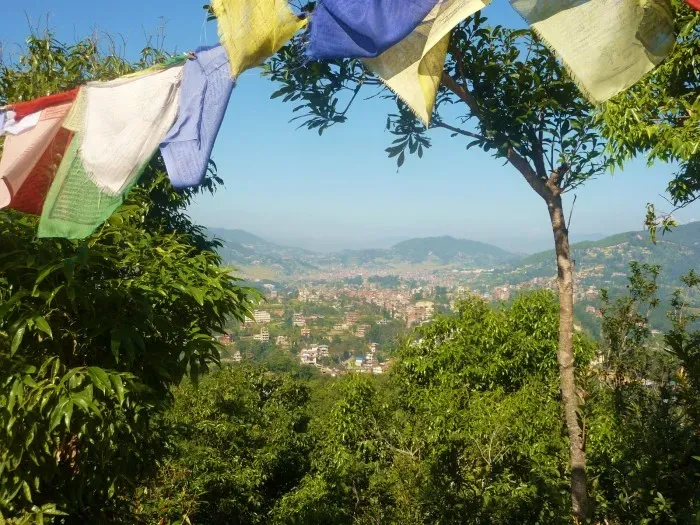
This route follows the northern and eastern rim of the Kathmandu Valley, moving from the green hills of Shivapuri Nagarjun National Park to the old Newar towns on the valley’s eastern edge. It begins at Sundarijal, climbs to Chisopani (about 2,165 m), continues along the ridge to Nagarkot (about 2,175 m), then crosses rolling farmland to Dhulikhel (about 1,550 m) and finally descends to Panauti (about 1,380 m).
The trek usually takes 5 to 7 days, depending on the pace and how much time you spend exploring. Maximum altitude is just over 2,200 m, so altitude sickness is rarely an issue. The trail passes through oak and rhododendron forest, terraced fields, and small villages where life moves slowly and visitors are welcomed warmly.
Why Choose This Trek?
Mountain views without extreme effort. From Chisopani and Nagarkot you can see Langtang Lirung, Ganesh Himal, Dorje Lakpa, and Jugal Himal, and on clear days even distant Everest. Sunrise and sunset paint the snow in gold and pink.
A blend of nature and culture. Few short treks combine forest walking, Himalayan panoramas, and living heritage as well as this one. Dhulikhel and Panauti are among the best-preserved Newar towns in Nepal, with carved windows, brick lanes, and centuries-old temples.
Easy access. Sundarijal is a short drive from Kathmandu, and the trek ends near the Arniko Highway, so transport is simple and inexpensive.
Suitable for many travelers. The trail is well defined, with lodges and tea stops along the way. It works for first-time trekkers, families with older children, and anyone wanting a gentle acclimatization or warm-up trek before something bigger.
Year-round option. The low altitude means the route can be walked in most seasons, though some months offer far better views than others.
Detailed Itinerary
A typical five-day itinerary looks like this, and it can be extended with extra nights or shortened by using vehicles on some sections.
Day 1: Kathmandu to Sundarijal and Chisopani. After a short drive to Sundarijal, you pass the reservoir and climb stone steps into Shivapuri Nagarjun National Park. The trail winds through dense forest, streams, and small settlements, passing Mulkharka before the final climb to Chisopani. The name means “cold water,” and the village is known for its sunrise and sunset views. Walking time is roughly five to six hours.
Day 2: Chisopani to Nagarkot. After watching the sunrise, you descend through forest and continue along ridges and farmland. The route passes Jarsing Pauwa and small villages, then climbs gently to Nagarkot. This is one of the best viewpoints near Kathmandu, and an evening on the ridge is calm and scenic. Expect six to seven hours of walking.
Day 3: Nagarkot to Dhulikhel. Wake before dawn for another sunrise, then follow trails down through pine forest and terraced fields. The route passes traditional villages, and the landscape becomes greener and warmer as you drop in elevation. Dhulikhel is a welcoming Newar town with a lively bazaar, temples, and views of the Himalaya from the ridge above town. The walk is around four to five hours.
Day 4: Dhulikhel to Namobuddha and Panauti. A short morning drive or walk leads to Namobuddha, one of the most important Buddhist pilgrimage sites in Nepal, where a stupa and monastery mark the place where the Buddha is said to have offered his body to a starving tigress. From there, the trail continues through farmland and villages to Panauti, a peaceful medieval town at the meeting of two rivers.
Day 5: Panauti and return to Kathmandu. Spend the morning exploring Panauti’s temples, courtyards, and old houses before returning to Kathmandu by road. The town is quiet compared with Bhaktapur or Patan, which gives it a special charm.
Cultural Highlights
Chisopani and Shivapuri Nagarjun National Park. The park protects a large stretch of forest close to the capital, home to more than 300 species of birds and mammals such as rhesus monkeys, barking deer, and sometimes leopards and black bears. It is also the source of much of Kathmandu’s drinking water.
Nagarkot. Long a favorite escape from the city, Nagarkot combines hotels and viewpoints with quiet forest walks. Its position on the eastern rim of the valley gives some of the widest panoramas in the region.
Dhulikhel. This traditional Newar settlement is famous for its friendly atmosphere, old wooden houses, and the Bhagwati and Narayan temples. The surrounding hills offer sunrise viewpoints, and the town’s homestays let visitors experience local food and customs.
Namobuddha. A hilltop pilgrimage site with a large monastery and a peaceful setting, it draws Buddhist pilgrims and travelers alike. A walk here provides a spiritual pause in the journey.
Panauti. Panauti is one of the oldest towns in the Kathmandu region, known for the Indreshwar Mahadev Temple, a multi-tiered pagoda dating back centuries, and the Brahmayani and Khware temples at the river confluence. Wooden carvings, courtyards, and local festivals make it a rich cultural finish to the trek.
Best Time to Trek
The trek is possible most of the year, but conditions vary.
-
Autumn (September to November): The best season. Skies are clear, temperatures are comfortable, and mountain views are at their sharpest.
-
Winter (December to February): Cold nights but often crisp, clear days. Warm layers are essential, especially at Chisopani and Nagarkot.
-
Spring (March to May): Warm weather, blooming rhododendrons, and lush forest, though haze can reduce distant views.
-
Monsoon (June to August): Trails are slippery, leeches appear in the forest, and clouds hide the mountains. It is not the most comfortable time to trek.
Difficulty and Fitness
The trek is graded easy to moderate. Days are typically four to seven hours of walking, with some steep sections on stone steps and forest paths, but no technical terrain and no high passes. Basic fitness is enough. Regular walking, stair climbing, or light hiking for a few weeks before the trip helps make the days more comfortable.
Because much of the route is on ridges and village trails, good footwear matters. Wear broken-in trekking shoes or boots, and carry a light daypack. Trekking poles can help on descents, particularly on the way from Nagarkot to Dhulikhel.
Accommodation and Food
Lodges and teahouses are available in Chisopani, Nagarkot, Dhulikhel, and other stops. Rooms are usually simple, with twin beds and shared bathrooms, while Nagarkot and Dhulikhel also offer more comfortable hotels and resorts. Homestays are available in several villages and give a closer look at daily life.
Meals include dal bhat, noodles, fried rice, momos, soups, and pancakes, with vegetarian choices widely available. In Newar towns you can try local specialties such as bara, choila, and yomari in season. Drink purified or bottled water, and consider a refillable bottle with purification tablets to reduce plastic waste.
Permits and Costs
The permit system is simple. You need a Shivapuri Nagarjun National Park entry ticket, purchased at the Sundarijal gate, and a TIMS card may be recommended depending on current regulations. Some cultural sites, such as those in Panauti or Namobuddha, may charge small entry fees.
Independent trekking is possible, but hiring a local guide or porter helps with navigation, cultural insight, and local employment. Costs are modest compared with major Himalayan treks, so the route is popular with budget travelers. Regulations and fees can change, so confirm the latest information with a licensed trekking agency or the park office.
What to Pack
-
Comfortable, broken-in trekking shoes or boots
-
Layers, including fleece and a windproof jacket
-
Rain jacket or poncho
-
Sun hat, sunglasses, and sunscreen
-
Daypack, refillable water bottle, and purification tablets
-
Headlamp, insect repellent, and a small first-aid kit
-
Camera, power bank, and a small amount of cash
Pack light. You will only need what fits comfortably in a daypack or small duffel carried by a porter.
Tips for a Better Experience
-
Start early each day. Morning light offers the clearest views and cooler walking temperatures.
-
Stay for sunrise. Both Chisopani and Nagarkot are at their best at dawn.
-
Respect local customs. Ask before photographing people, remove shoes when entering temples or homes, and dress modestly.
-
Support local businesses. Choose family-run lodges, eat local food, and buy crafts directly from artisans.
-
Allow time for towns. Dhulikhel and Panauti deserve unhurried exploration, so avoid rushing the final days.
-
Leave no trace. Carry out plastic and other non-biodegradable waste.
Responsible Trekking
The hills around Kathmandu are heavily visited, and forests, water sources, and villages feel the pressure. Stay on marked trails, avoid feeding monkeys, and choose lodges that manage waste and firewood responsibly. Treat guides and porters fairly, with proper clothing, insurance, and reasonable loads. Small choices add up, and they help keep these landscapes and communities healthy.
Conclusion
The Chisopani, Nagarkot, Dhulikhel and Panauti Trekking route is a wonderful example of how much a short trek can offer. In just a few days you can walk through peaceful forests, watch the Himalaya glow at sunrise, visit a major Buddhist pilgrimage site, and finish in a medieval Newar town filled with temples and tradition. The trail is gentle, the villages are welcoming, and the cultural depth sets it apart from many other short treks.
Whether you are a first-time trekker, a family looking for an easy adventure, or a traveler with limited time, this route delivers a full and satisfying experience close to Kathmandu. Pack light, walk respectfully, take time to explore the towns, and you will return with memories of mountain sunrises, ancient temples, and the friendly hospitality of the Kathmandu Valley’s rim.
